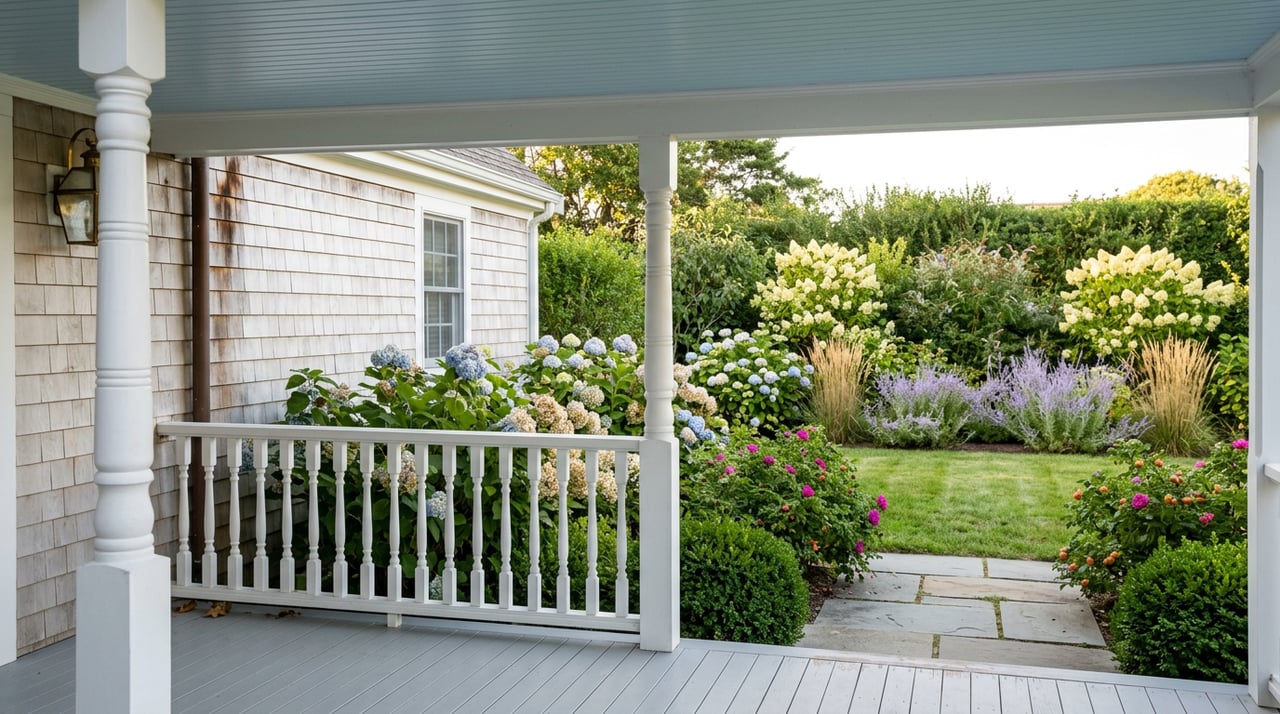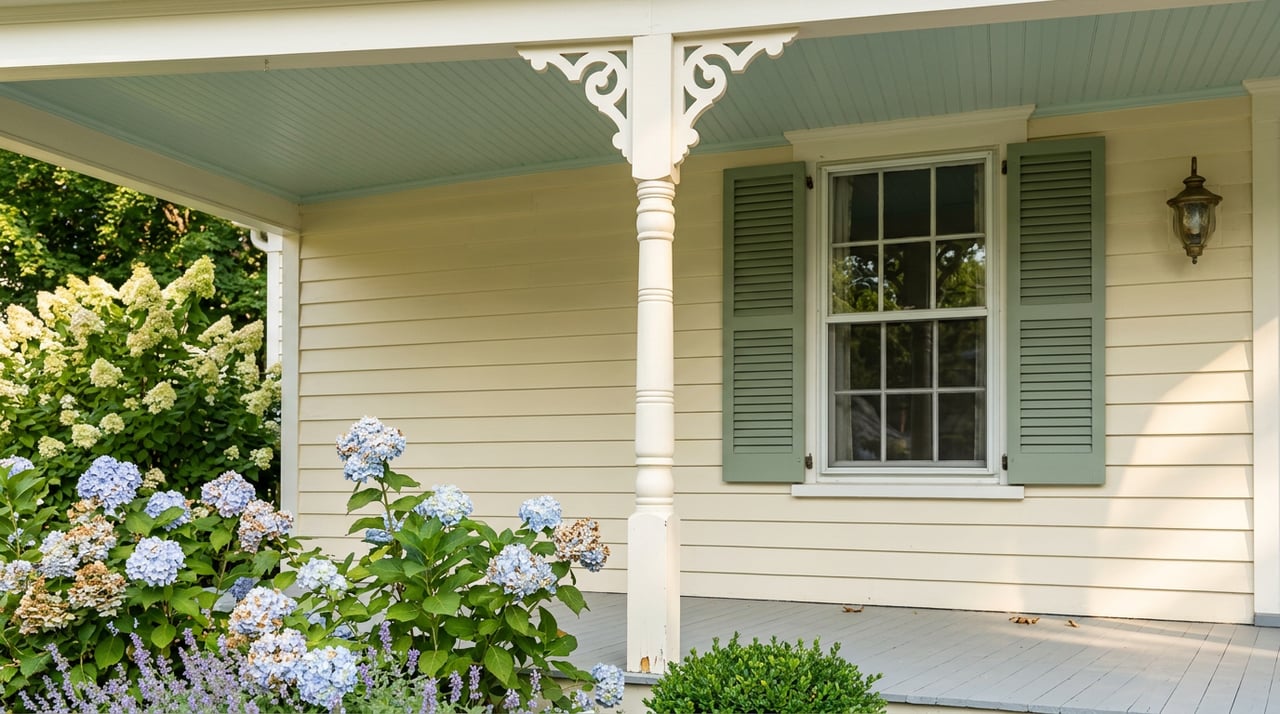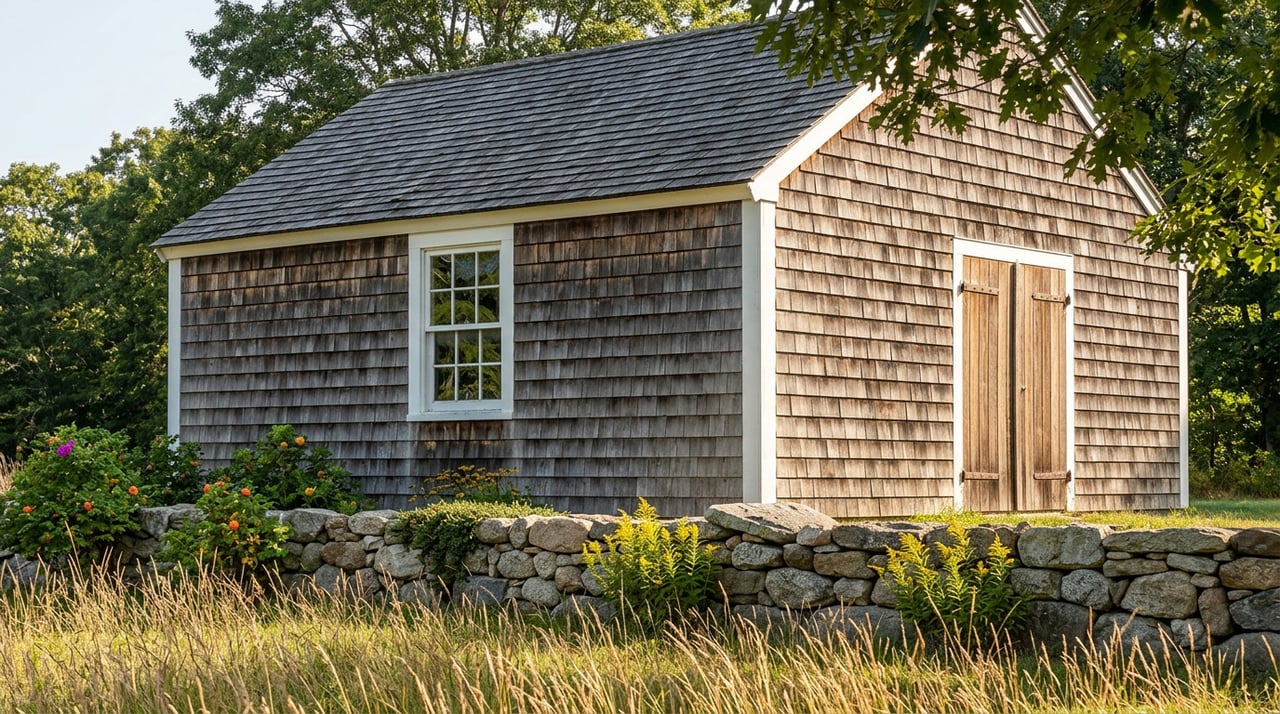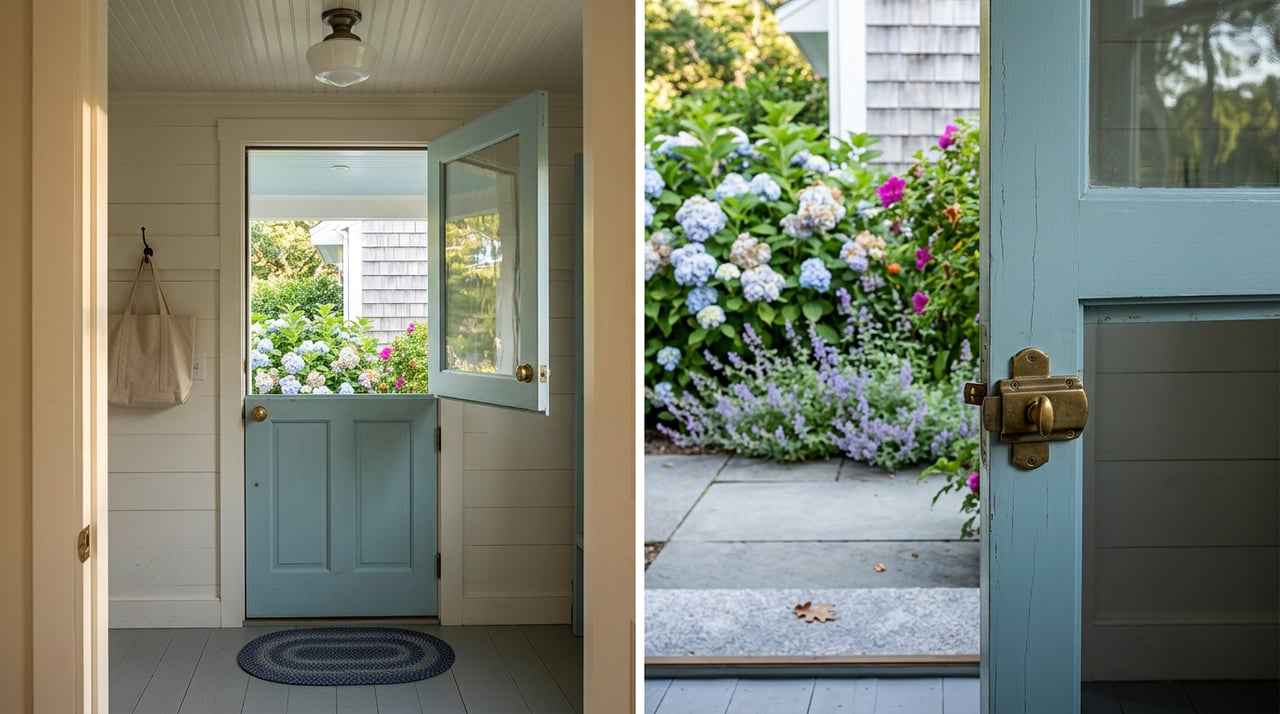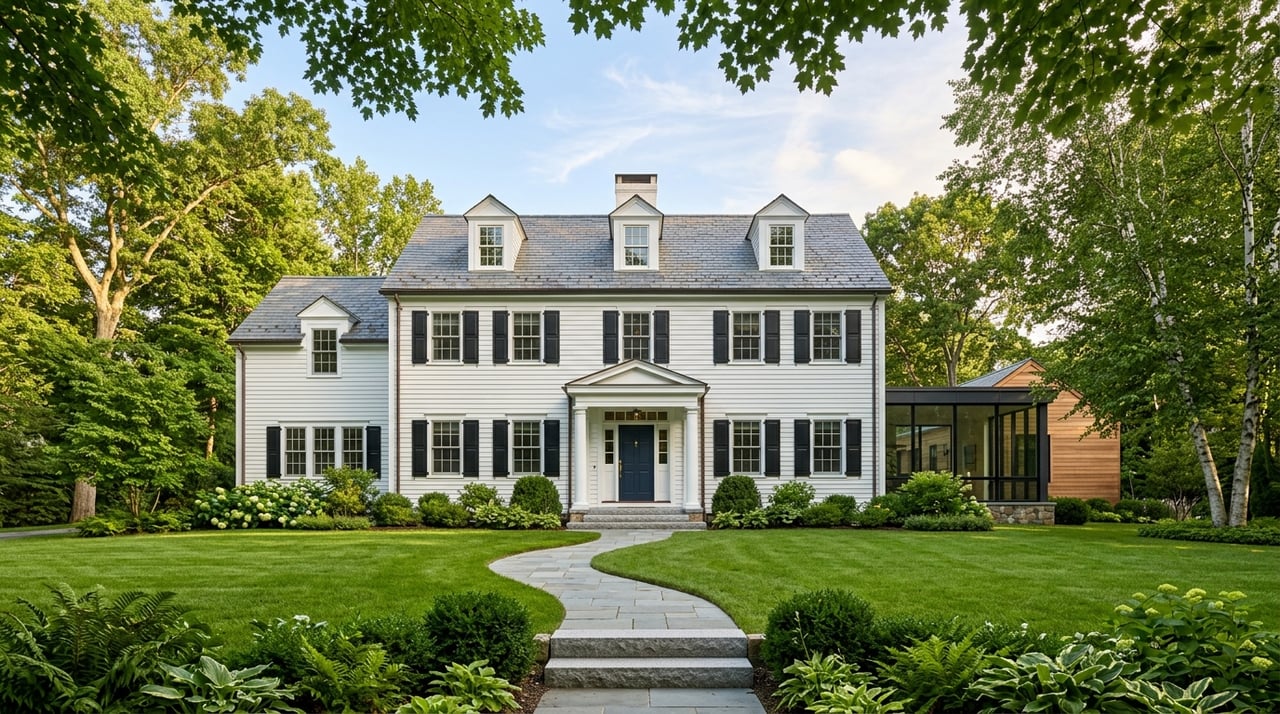
Wondering if you can have both New England charm and everyday convenience in one home? In Concord, that balance is part of the appeal. If you are exploring this historic Middlesex County market, it helps to understand how age, setting, and local rules shape what living here really looks like. Let’s dive in.
Why Concord stands out
Concord is Massachusetts’s first inland settlement, incorporated in 1635, and that long history still shows up in the town’s village centers, rural roads, and preserved landscapes. For many buyers, that is exactly the draw. You are not just shopping for square footage here. You are also weighing architecture, setting, and stewardship.
This is also a high-value, largely owner-occupied market. According to the town, 78.9% of housing units are owner-occupied, the median value of owner-occupied homes is $1,134,500, and 72.4% of housing units are single-family homes. That data helps explain why Concord often appeals to buyers looking for long-term ownership and a strong sense of place.
Concord homes are more varied than many expect
It is easy to assume Concord is made up mostly of antique houses, but the housing stock is more mixed than that. The town’s housing plan says 19% of units were built in 1939 or earlier, 34% were built from 1940 to 1969, and 21% were built since 2000. In other words, Concord can feel deeply historic without being limited to one era of housing.
That variety matters when you begin your search. You may compare an older village home with period detail, a mid-century property with a more straightforward layout, or a newer home designed for current comfort expectations. Depending on your goals, each can offer a different version of Concord living.
The market also includes more than detached colonials. While single-family homes dominate, Concord also has some multifamily options, which broadens the choices available to buyers. That can be helpful if you are looking for lower-maintenance living or a different price point within town.
Historic character shows up in many forms
Concord’s local historic districts reflect a wide architectural range. The Historic Districts Commission oversees six districts: American Mile, Barrett Farm, Church Street, Hubbardville, Main Street, and Monument Square/North Bridge. Within those areas, design guidance references styles including Federal, Georgian, Greek Revival, Italianate, Gothic Revival, Stick Style, Queen Anne, Shingle, Second Empire, and Colonial Revival.
For you as a buyer, that means “historic character” is not one fixed look. In Concord, it may mean formal symmetry, decorative trim, broad porches, wood shingles, or a home that blends older regional forms with thoughtful newer design. Some newer buildings are also designed to fit their surroundings, so character here is often about compatibility as much as age.
Lot setting shapes the living experience
One of Concord’s most important features is how much the landscape affects the feel of a property. In some areas near Monument Square, lots tend to be narrow and deep, with a more compact village pattern. In other areas, later subdivision created smaller neighborhoods and cul-de-sacs.
Along the American Mile, homes can shift from denser village edges to more open land and a distinctly rural appearance. On Barrett’s Mill Road, larger lots are more typical, and homes often take up a smaller share of the parcel. That means your experience of Concord can vary a lot depending on where you buy.
The town also treats landscape as part of a property’s identity. View corridors, stone walls, farmland, wetlands, and topography all contribute to the historic setting that Concord aims to preserve. If you love homes where the surroundings feel as meaningful as the structure itself, that is a major part of the appeal.
What modern comfort looks like in Concord
Modern comfort in Concord does not always mean brand-new construction. Often, it means an older or traditionally styled home that has been updated with care. Because the housing stock spans many eras, buyers will find different levels of renovation, efficiency, and maintenance needs from one property to the next.
The town’s housing plan notes that older homes can come with higher utility and maintenance costs, including possible lead-paint remediation concerns. That does not make older homes less appealing, but it does mean your due diligence matters. A beautiful period home may also require a more realistic maintenance budget than a newer property.
Concord also takes a thoughtful approach to sustainability. Town guidance says retrofitting historic and older homes is part of meeting local greenhouse-gas goals, and it specifically favors window repair, weatherstripping, and storm windows over full replacement when possible. In practice, modern comfort here often comes through careful upgrades rather than sweeping change.
Renovation in Concord requires planning
If you are drawn to the idea of buying a home and tailoring it over time, Concord can be rewarding, but it also asks for patience. In historic districts, visible exterior changes require review. That means updates such as certain window replacements, rooftop solar, additions, fences, landscaping changes, garages, roofs, grading, and stone wall work may need approval.
For properties within a historic district, visible exterior alterations require a Certificate of Appropriateness, and the Building Commissioner will not issue a building permit without it. The Historic Districts Commission balances preservation with the practical needs of modern life, but compatibility still matters. Additions should be subordinate, set back, and visually compatible rather than dominant.
For many buyers, this is not a drawback so much as part of the tradeoff. You gain a setting with strong visual continuity and preservation standards, but you also take on more review and planning than you might in a typical newer suburb.
Tear-down pressure has changed parts of town
Concord’s housing plan reports more than 300 tear-downs between 2008 and 2020. The homes removed were often under 1,800 square feet and assessed under $500,000, while replacement homes were much larger and more expensive. That trend helps explain why you may see sharp contrasts between modest older homes and newer, larger construction.
For buyers, this creates both opportunity and tension. Some properties offer the chance to enjoy original scale and character, while others reflect the market’s move toward larger homes and newer finishes. If your goal is to find authentic charm with updates already in place, it helps to look carefully at how each property has evolved over time.
Key due diligence before you buy
In Concord, due diligence goes beyond the house itself. The town’s rules and physical setting can affect what you can change, how you maintain the property, and what future costs may look like.
Here are a few areas to review closely:
- Whether the home is in one of Concord’s local historic districts
- Whether planned exterior work may require Historic Districts Commission approval
- Whether demolition rules apply if a structure is 50 years old or older
- Whether tree protection rules affect wooded or mature lots during major work
- Whether the property relies on municipal sewer service or an on-lot system governed by Board of Health rules
- Whether wetlands review may apply through the Natural Resources Commission
These points matter because Concord includes a mix of dense village areas, protected land, farmland, and environmentally sensitive areas. Town planning documents show that 38% of Concord is permanently protected open space, 34% is densely developed and-or roads, and 28% is unprotected or temporarily protected. The town also includes about 1,590 acres of farmland, which reinforces how much open land shapes the local housing story.
Who Concord may fit best
Concord can be a strong fit if you value a home that feels connected to its setting and history. You may be especially drawn to the town if you appreciate architecture, mature landscapes, and the idea of caring for a property over time. Buyers who want a home with a distinct sense of place often find that Concord offers exactly that.
At the same time, this market usually rewards flexibility. You may need to balance your wish list with preservation rules, maintenance realities, or a longer renovation timeline. If you come in expecting a simple plug-and-play experience, some homes may feel more complex than they first appear.
The upside is that Concord offers a rare blend of authenticity and livability. Its mix of older homes, mid-century properties, newer infill, and preservation-minded updates gives you several ways to find modern comfort without losing historic character.
If you are considering a move to Concord, the best first step is to look beyond finishes and focus on the full property story. That includes the age of the home, the lot setting, any district oversight, and how past updates were handled. For thoughtful guidance tailored to Greater Boston’s more nuanced markets, connect with Kathleen Kendrick.
FAQs
What makes Concord homes different from homes in other Greater Boston suburbs?
- Concord homes often combine historic character, varied architectural styles, and landscape-sensitive settings with modern updates, but buyers should also expect more preservation oversight and property-specific due diligence.
Are most Concord homes very old?
- No. Concord includes older homes, but the town says 19% of housing units were built in 1939 or earlier, 34% were built from 1940 to 1969, and 21% were built since 2000.
Do Concord historic district homes require approval for exterior changes?
- Yes. If a property is in a local historic district, visible exterior alterations require a Certificate of Appropriateness before the Building Commissioner can issue a building permit.
What types of homes can you find in Concord, Massachusetts?
- Buyers can find single-family homes in a range of eras and styles, along with some multifamily options, rather than only antique or colonial homes.
What should buyers check before purchasing a Concord home?
- Buyers should review historic district status, exterior approval requirements, demolition and tree rules, sewer or on-lot sewage setup, and possible wetlands-related constraints.
Can older Concord homes be updated for modern comfort?
- Yes. Concord’s guidance supports retrofitting historic and older homes, and many properties balance preservation with practical updates, though the scope and approval process vary by property.